Fairfield Halls moves and man with van access tips
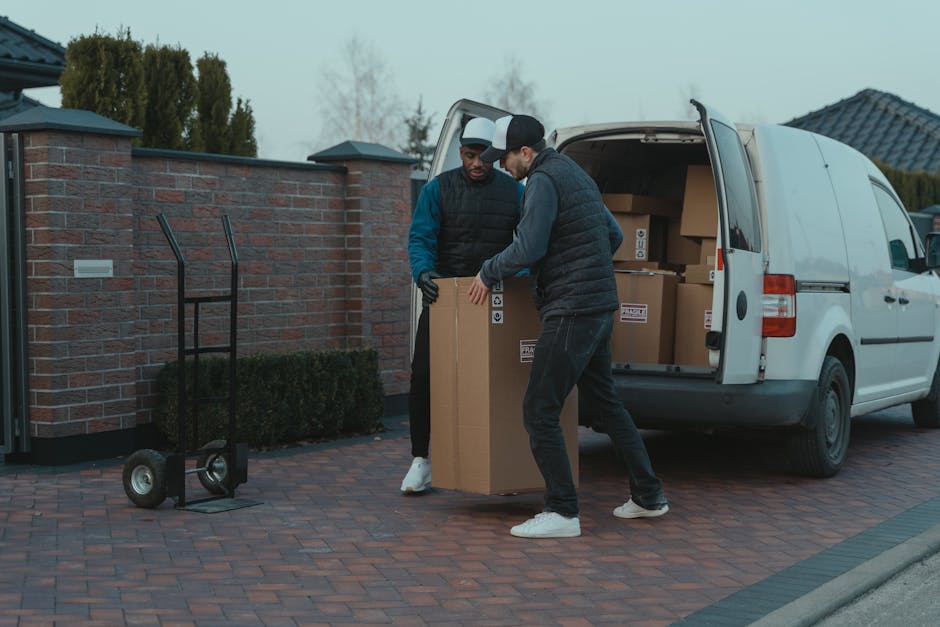
If you are planning a move around Fairfield Halls, the tricky part is rarely the lifting. It is the access. Narrow approach roads, busy event times, awkward kerbs, and the usual "where can the van actually stop?" headache can turn a simple job into a slow one. That is exactly why Fairfield Halls moves and man with van access tips matter so much: they help you avoid delays, protect your belongings, and keep the move calm from start to finish.
In this guide, we will walk through what makes Fairfield Halls access different, how a man with van service can work best in the area, and the practical steps that make loading and unloading far easier. You will also find a checklist, a comparison table, and a few realistic examples from the kind of move that looks easy on paper and then... well, suddenly isn't.
- Why Fairfield Halls moves and man with van access tips matters
- How Fairfield Halls moves and man with van access tips works
- Key benefits and practical advantages
- Who this is for and when it makes sense
- Step-by-step guidance
- Expert tips for better results
- Common mistakes to avoid
- Tools, resources and recommendations
- Law, compliance, standards, or best practice
- Options, methods, or comparison table
- Case study or real-world example
- Practical checklist
- Conclusion
- Frequently asked questions
Why Fairfield Halls moves and man with van access tips Matters
Fairfield Halls sits in a busy part of Croydon, and that alone changes the moving experience. Even a short local move can become awkward if the van cannot get close enough to the entrance, if parking is tight, or if foot traffic is heavy at the wrong time. When access is poor, the knock-on effect is pretty simple: more carrying, more time, more risk of damage, and more stress for everyone involved.
This matters for both home moves and business-style relocations. A small flat clear-out, a student move, a furniture delivery, or an office handover can all run more smoothly with the right planning. And to be fair, most people do not realise how much time is lost by one bad loading position. A few extra metres does not sound like much until you are wheeling a sofa in drizzle while trying not to ding a doorframe.
Good access planning also helps the mover. A driver who knows where to wait, where to turn, and how long loading should take can work faster and safer. That is why many customers start by looking at a flexible man with van option or broader removal services when they want something practical rather than overcomplicated.
How Fairfield Halls moves and man with van access tips Works
The basic idea is straightforward. You match the move to the site conditions rather than forcing the site to suit the move. That means checking approach roads, stopping space, walking distance, any height or width restrictions, and the likely time of day. Then you decide whether a van can park close enough for a quick load, or whether you need a little extra time and a more careful handover.
In practice, a man with van job around Fairfield Halls often works best when the move is broken into small, manageable actions:
- Confirm the pickup and drop-off points precisely, not vaguely.
- Check whether the van can stop safely within a sensible walking distance.
- Identify stairs, lifts, narrow hallways, or access-controlled entrances.
- Prepare items so the collection side is already organised.
- Load the heaviest and most stable items first, then protect smaller items around them.
- Unpack or stage items quickly on arrival so the van is not left idling in an awkward spot.
The best man and van moves are usually the ones that look almost boring in the end. No drama, no last-minute reshuffling, no guessing. If the route is tight, it is often better to use a smaller vehicle plan, such as a moving van or a compact removal van arrangement, rather than assuming a bigger truck will somehow make things easier. Spoiler: sometimes it makes it worse.
Key Benefits and Practical Advantages
Planning access properly near Fairfield Halls gives you a few clear advantages. Some are obvious, some only become obvious after a move has gone sideways once or twice.
- Less carrying distance: Shorter walks mean faster loading and fewer chances to drop or scuff items.
- Reduced stress: Everyone knows where the vehicle will stop and who is doing what.
- Better safety: Safer lifting, fewer rushed turns, and fewer awkward manoeuvres around pedestrians or parked cars.
- Cleaner time planning: You can estimate the job more accurately and avoid the "this should only take an hour" problem.
- Lower damage risk: The less you carry, twist, or squeeze through tight gaps, the better for furniture and walls alike.
There is also a cost benefit. Access issues often create hidden costs through waiting time, added labour, or a second trip. A well-planned move can reduce all three. If you want to compare service levels or request a more precise breakdown, it is sensible to look at pricing and quotes before you commit.
Expert summary: the best Fairfield Halls move is not the one with the biggest vehicle; it is the one with the clearest access plan, the fewest surprises, and the shortest safe carry distance.
Who This Is For and When It Makes Sense
This topic is useful if you are moving from a nearby flat, collecting furniture, helping a family member, or handling a business delivery where timing matters. It is also relevant if your property has limited street space, if the building sits on a busy road, or if you are arranging a move during an event-heavy period around Fairfield Halls.
It makes sense for:
- people moving a small to medium household load
- tenants with tight move-out deadlines
- students and sharers with mixed furniture
- local businesses needing a quick delivery or collection
- anyone who wants a practical alternative to a larger full-scale removals setup
If the job involves more than a few bulky items, awkward access, or a stricter deadline, a more structured option may be better. For example, some customers will prefer a dedicated house removals service, while others only need a straightforward man and van arrangement for a one-off collection. The right choice depends on the load, not the label.
Step-by-Step Guidance
Here is a practical way to plan a Fairfield Halls move without overthinking it. Simple enough on the page, but it does work.
1. Confirm the exact access points
Do not settle for "outside the building" or "near the front". Look at the precise entrance, the nearest legal stopping place, and where the item handover will happen. If there is a loading bay, check whether it is actually usable at your time of arrival. If there is not, identify the next-best stopping point.
2. Match the van size to the street reality
Smaller vehicles are often easier in busy local areas. A smaller van can mean less reverse stress, easier kerbside parking, and fewer awkward turns. A bigger vehicle may be perfect on paper and a headache on arrival. You know how that goes.
3. Prepare the items before the van arrives
Flat-pack anything that can be flat-packed. Remove drawers if safe to do so. Tape loose cables. Put screws, shelf pegs, and remotes in labelled bags. A good move often looks uneventful because the hard work happened before the van turned up.
4. Plan the carry route indoors
Look at stair angles, tight corners, doors that open the wrong way, and any lift that might be small or slow. If an item barely fits, assume it will be awkward until proven otherwise. That one little assumption saves a lot of bruised knuckles.
5. Agree timing and waiting expectations
Agree the window for arrival, the loading order, and whether the mover should wait if access is delayed for a few minutes. This matters more than many people think, especially where parking and pedestrian flow can change quickly.
6. Load in the right sequence
Start with the heaviest and most stable items. Build a secure base, then add lighter boxes and soft items around them. Use blankets, straps, or padding where needed. Good loading is not glamorous, but it is what keeps the job tidy.
7. Keep the arrival point ready
At the destination, clear a path before the van arrives if you can. If you are moving into a flat or office, make sure the receiving area is not cluttered with bins, suitcases, or old furniture. One clear corridor beats ten rushed apologies.
Expert Tips for Better Results
In our experience, the little details around Fairfield Halls access make the biggest difference. A few practical habits go a long way.
- Move outside peak congestion where possible: early morning often gives you a calmer loading environment than later in the day.
- Measure bulky items: wardrobes, mattresses, sofas, and desks should be checked against door widths and stairs before the move day.
- Keep a "first off" box: tea, kettle, phone charger, documents, and basic tools should not be buried under everything else.
- Take photos of awkward access: a quick photo of the entrance or loading point helps everyone prepare properly.
- Protect the corners: furniture damage often happens on the corners, not the big flat surfaces.
- Ask about insurance: serious movers should be clear about cover, handling, and limits. If you need reassurance, review the company's insurance and safety information before booking.
A small but useful trick: if you are moving from a building with lots of footfall, assign one person to watch the door and one to manage the van side. It sounds obvious. It often is. But it cuts the "who is carrying this now?" chaos almost immediately.
And yes, it helps to have gloves. Not the glamorous kind. Just decent gloves that let you grip without feeling like a rookie on a rainy Tuesday.
Common Mistakes to Avoid
The most common mistake is underestimating access. People focus on the load list and forget the route. Then they arrive and realise the van cannot park where they expected, or the lift is too small, or the only stopping space is blocked. A move can unravel quickly from there.
Other frequent errors include:
- Not measuring large items: If it is too wide for the corridor, you need a plan B, not optimism.
- Assuming the route is quiet: Fairfield Halls and the surrounding streets can be busier than expected at certain times.
- Leaving packing too late: Loose items create delays, and delays turn into frustration very fast.
- Using the wrong vehicle size: Bigger is not always better. Sometimes it is just bigger.
- Forgetting building rules: Some entrances, bays, or service areas have specific conditions that need to be respected.
One more thing: do not leave the sorting of paperwork, keys, and access codes until the van is outside. That is the sort of tiny delay that feels silly in the moment and somehow causes the most grief.
Tools, Resources and Recommendations
You do not need specialist equipment for every move, but a few basic tools make a noticeable difference. Nothing fancy. Just the sort of kit that keeps a move from becoming a wrestling match with the hallway.
- Furniture blankets: useful for sofas, tables, wardrobes, and anything with a delicate edge.
- Straps and bungees: helpful for securing loads inside the van.
- Labels and markers: especially useful if boxes are going to different rooms.
- Trolley or sack truck: valuable for heavier boxes or stacked items where access allows.
- Phone photos: keep a quick record of load condition before and after, especially for valuable items.
If you are comparing moving help, look beyond the headline service name. A good provider should be able to discuss route planning, item protection, timing, and the practical realities of the building. You may also want a broader service such as movers, removal company, or a more focused man with van removal option depending on the size of the job.
If your move includes furniture collection or disposal, it can help to combine the job with furniture pick up or a wider recycling and sustainability approach so you are not paying to move items you do not actually want.
Law, Compliance, Standards, or Best Practice
For a local move, the legal side is usually less about heavy regulation and more about doing things properly and safely. In the UK, a moving job should still respect parking rules, road safety, building access rules, and general duties around safe lifting and handling. If a van needs to stop temporarily, it should do so lawfully and without creating unnecessary obstruction.
From a best-practice point of view, you should expect clear communication about:
- what the mover will and will not carry
- how damage or loss is handled
- how access issues affect the timetable
- any expectations about parking, waiting, or building access
It is also sensible to review the provider's business policies before booking. Pages like terms and conditions, health and safety policy, and payment and security help you understand what to expect. That may sound a bit dry, but it is exactly the sort of dry reading that prevents messy surprises later.
If your move involves business premises, office equipment, or repeated collections, you may need a more formal setup such as commercial moves or office removals. For larger, more coordinated work, a wider removals approach can be a better fit than a quick one-van job.
Options, Methods, or Comparison Table
There is no single best way to handle a Fairfield Halls move. The right choice depends on access, item count, time pressure, and how much help you want on the day.
| Option | Best for | Strengths | Trade-offs |
|---|---|---|---|
| Man with van | Small to medium local moves, collections, quick drops | Flexible, practical, usually easy to book around access constraints | Less suited to very large loads or complex multi-room moves |
| Removal van | Single-trip moves with more volume than a car can handle | Good balance of capacity and manoeuvrability | May still require careful parking planning in tight streets |
| Full removal service | Households, office moves, and larger or more demanding jobs | More support, better for staged and heavier moves | Usually more involved than a simple local collection |
| Truck-based hire | Large loads, long-distance moves, or bulky commercial items | High capacity and stronger for big jobs | Harder to manage around restricted access and city parking |
For many Fairfield Halls jobs, the sweet spot is a well-planned man and van removals style service. It is often the middle ground people actually need, even if they do not call it that at first.
Case Study or Real-World Example
Picture a typical weekday morning. A couple is moving from a nearby flat into a terraced house not far from Fairfield Halls. They have a sofa, a mattress, six boxes, a dining table, and two awkward plants that somehow became "essential". The first instinct is to book a larger van and hope for the best.
Instead, they check the access first. The street near the pickup point has limited waiting space, the building entrance has a narrow approach, and the best stopping place is slightly further away than expected. Rather than forcing a big vehicle into a bad position, they arrange a smaller, more manoeuvrable load plan, pack the boxes in advance, and keep the route into the building clear.
What happened? The move took less time than expected, there were no silly delays, and the sofa got through without a scrape. The plants survived too, which was frankly the real victory. It is a small example, but it shows the principle clearly: when access is handled properly, the whole job gets easier.
Practical Checklist
Use this before your move. It is quick, and it saves a lot of back-and-forth on the day.
- Confirm the exact collection and delivery addresses.
- Check the best stopping point for the van.
- Measure bulky furniture and awkward items.
- Identify stairs, lifts, doors, and narrow corridors.
- Pack boxes securely and label them by room.
- Keep keys, access codes, and entry instructions ready.
- Set aside a first-night essentials box.
- Review parking, timing, and any building rules.
- Confirm cover, handling, and payment details in advance.
- Make sure the receiving area is clear before arrival.
If you want to keep the move even simpler, it can help to work with a provider that offers clear guidance from the start, not just a vehicle. That is where good local knowledge really earns its keep.
Conclusion
Fairfield Halls moves and man with van access tips are really about one thing: making a local move feel controlled rather than chaotic. The access is the job. The van is only part of the story. Once you think through parking, walking distance, timing, and the actual shape of the route, the rest starts to fall into place.
Whether you are moving a few key items or planning a more involved load, the smartest move is always the one that respects the building, the street, and the reality of the day. That is the difference between a rushed scramble and a tidy, professional job that just gets done.
Get a free quote today and see how much you can save.
And if you are still weighing up the best fit, a quick conversation about access often clears things up faster than any spreadsheet ever will. Simple, really.
Frequently Asked Questions
What is the main challenge with moves around Fairfield Halls?
The biggest challenge is usually access rather than the move itself. Parking space, loading distance, traffic, and building entry points can all affect how smoothly the job runs.
Is a man with van service enough for a Fairfield Halls move?
For many small to medium local moves, yes. If the load is manageable and access is planned properly, a man with van setup can be a very practical choice.
Should I choose a bigger vehicle to save time?
Not always. A bigger vehicle can be harder to park and manoeuvre in tight or busy areas. The best option is the one that fits the access as well as the load.
How do I prepare for tight access at a flat or office?
Measure large items, clear hallways, check lift size if relevant, and make sure keys or entry codes are available. A little preparation cuts a lot of awkwardness later.
What should I tell the mover before the job starts?
Tell them about parking limits, stairs, lift access, fragile items, time restrictions, and anything that could slow loading or unloading. The more accurate the brief, the better the move.
Can Fairfield Halls events affect moving plans?
They can. Busy times around major venues often mean more traffic, less parking, and slower access. It is wise to check the timing of your move and avoid peak congestion where possible.
Do I need a full removals service or just a van?
If you are moving a small load, a van-based service may be enough. If you have multiple rooms, bulky furniture, or limited time, a fuller removals setup may be more suitable.
How can I reduce the risk of damage during loading?
Use blankets, straps, labels, and sensible loading order. Heavy items should go in first, with lighter items secured around them. Rushing is where damage tends to happen.
What if the van cannot park right outside the property?
That is common in city moves. In that case, plan the closest legal and safe stopping point, then reduce carry distance as much as possible by staging items near the exit.
Are there safety rules I should follow on the day?
Yes. Keep walkways clear, lift properly, avoid blocking entrances, and make sure everyone knows who is carrying what. Safe handling is part of a professional move, not an optional extra.
How do I compare moving options for a local Croydon move?
Compare vehicle size, access support, cover, timing, and the level of help included. Pages like removal companies and removals near me can help you frame the choice, but the real answer depends on your access and load.
What is the best way to keep the move stress-free?
Plan the route, pack early, confirm access, and keep the day simple. Honestly, the calmest moves are usually the ones where people did the unglamorous prep beforehand.