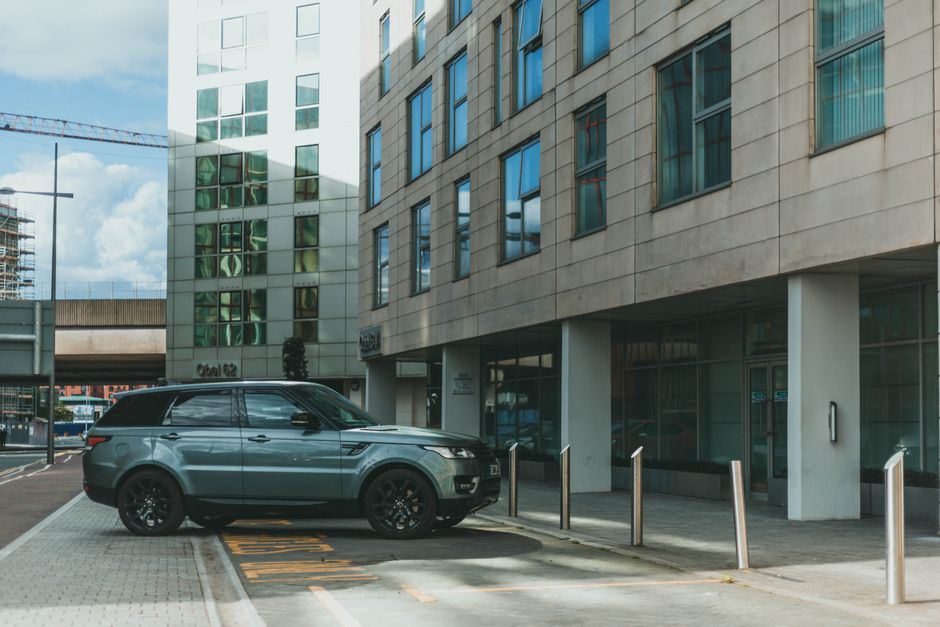
CR2 parking and drop off guide for Croydon removals
Posted on 14/07/2026
Moving in CR2 can look straightforward on paper, then suddenly you are dealing with a narrow street, a busy school run, a half-blocked kerb, and a removal van that really would rather not do a three-point turn in front of a queue of cars. That is exactly why a CR2 parking and drop off guide for Croydon removals matters. It helps you plan where the van can stop, how long loading is likely to take, and what to do when the street is tighter than you expected.
Whether you are moving a flat near South Croydon station, a family home off a residential road, or a small office where everyone has a box and an opinion, parking and drop-off planning can make the difference between a calm move and a stressful one. In this guide, we will walk through the practical side of CR2 removals: access, timing, street layout, drop-off strategy, risk points, and the little local details that save time on the day.
To make it even more useful, we will also cover a simple step-by-step method, a practical checklist, and the best way to choose between different moving setups. If you are still deciding what type of move you need, it can help to look at the broader service overview and the relevant option for your job, such as man and van support in South Croydon or house removals in South Croydon.
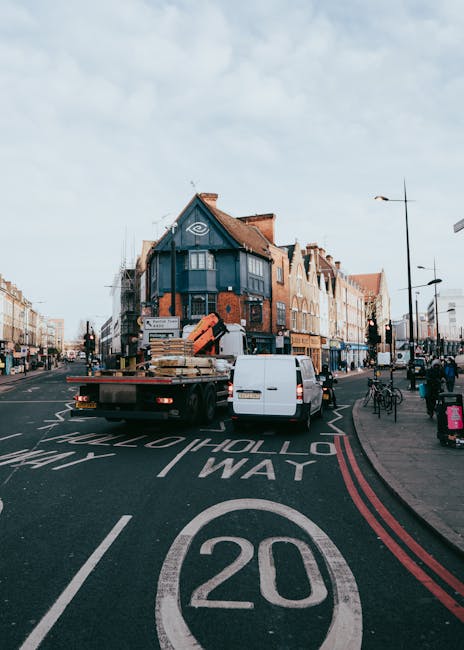
Why CR2 parking and drop off guide for Croydon removals Matters
Parking is not just a background detail in a move. In CR2, it often decides how smoothly the whole day runs. A van that can pull up close to the entrance reduces carrying distance, limits the chance of damage, and keeps the team moving instead of waiting. Simple enough. But in real life, close parking can be the hardest part of the job.
CR2 includes a mix of residential streets, busy main-road sections, flats with tighter access, and properties where the front door is not where you think it is from the pavement. Some roads are more forgiving than others, but even a relatively quiet street can get crowded quickly during peak hours. Add in neighbours' cars, delivery vehicles, recycling bins, and school traffic, and a five-minute stop can turn into a ten-minute shuffle.
For removals, that matters because time and access affect everything:
- how quickly loading starts
- how many trips the team needs to make
- how far heavy items need to be carried
- the risk of blocking traffic or footpaths
- the chance of rushed lifting or preventable damage
There is also the trust side. If you are hiring help, you want a moving team that thinks ahead about drop-off position, safe unloading, and whether a road is actually workable for the vehicle being used. Good removals are rarely about brute force. They are about the small decisions before anyone lifts a box.
That is why local planning in CR2 is so useful. It gives you a better feel for whether you need a compact vehicle, a short loading window, a second person to watch the kerb, or a more structured moving plan. If your move includes bulky items, you may also want to read about furniture removals in South Croydon or even specialist handling such as piano removals in South Croydon.
How CR2 parking and drop off guide for Croydon removals Works
The basic idea is simple: before moving day, you work out where the vehicle can legally and safely stop, where the items will be loaded or unloaded, and how the route between van and property will work in practice. The trick is turning that simple idea into something realistic.
In a CR2 move, the process usually looks like this:
- Check the road layout. Look at the width of the street, the presence of bends, parked cars, and any signs that suggest restrictions or loading rules.
- Identify the easiest drop point. This might not be directly outside the door. Sometimes one side street or a wider section of road is better.
- Estimate carry distance. A short carry is ideal, but a safe, predictable longer carry is often better than forcing a bad parking spot.
- Plan timing. Early morning can be calmer, while mid-morning and after school hours can be busier. No magic there, just reality.
- Prepare the property. Hallways cleared, lift booked if needed, doors propped where appropriate, and keys ready.
- Load in the right order. Heavy items first, delicate items protected, and the van loaded to match the route and final unloading sequence.
What actually changes in CR2 is the balance between curbside convenience and safe access. A lot of people assume the nearest space is always best. It is not always the best. If the nearest space blocks traffic, sits on a tight corner, or forces an awkward lift across a live pavement, you can end up losing more time than you save.
In our experience, the most successful removals feel calm because the van, the property, and the route all match one another. That sounds obvious, but it is the bit people miss when they are racing around with tape, keys, and a half-finished coffee.
Key Benefits and Practical Advantages
A good parking and drop-off plan is not glamorous, but it gives you very real gains on moving day. And yes, the boring bit often matters most.
1. Faster loading and unloading
When the van can stop near the entrance, the team spends more time moving items and less time walking back and forth. That keeps the job efficient, especially for flat moves or busy properties where every extra step adds up.
2. Lower risk of damage
Long carries through narrow hallways, across wet pavements, or down kerbs increase the chance of knocks and scrapes. Shorter, smoother routes are kinder to furniture and walls.
3. Less stress for everyone
Let's face it, moving day already has enough moving parts. When parking is sorted, the whole atmosphere improves. You notice it almost immediately. Fewer interruptions, fewer arguments about where the van should go, fewer "just one more thing" moments.
4. Better use of vehicle size
CR2 streets can be more practical for a smaller van or a staged approach, especially when access is limited. Matching vehicle size to the property and street reduces the chance of delays.
5. Safer lifting
Shorter carry distances reduce fatigue and improve control, particularly with wardrobes, sofas, white goods, or awkward items with no easy handholds. That matters more than people think.
Expert summary: if parking, drop-off access, and loading order are planned well, the move becomes easier in ways you can actually feel - quieter, quicker, and far less chaotic.
If you are comparing move types, the same principle applies whether you are booking flat removals in South Croydon, student removals, or a broader removal service in South Croydon. Access planning sits underneath all of them.
Who This Is For and When It Makes Sense
This guide is for anyone moving within or around CR2 who wants to avoid the classic last-minute parking scramble. That includes renters, homeowners, landlords, letting agents, office managers, and anyone helping a relative move who suddenly finds themselves "in charge" by default. It happens more often than people admit.
It makes the most sense if:
- your property is on a narrow residential road
- you live in a flat or maisonette with limited outside space
- there is no private driveway or forecourt
- you expect heavier items or multiple trips
- you are moving during a busy part of the day
- you need a quick same-day turnaround
It is also especially useful if you are moving office equipment, stock, or fragile items that cannot be left sitting on the pavement while someone hunts for a parking spot. In those cases, clear drop-off planning can be the difference between a tidy handover and a slightly frantic shuffle at the kerb.
If you are moving into the area and want the broader local picture too, the article on moving to Croydon with local insights is a helpful companion read. And if your move is time-sensitive, same-day removals in South Croydon can be worth considering, provided access is straightforward enough to keep the schedule realistic.
Step-by-Step Guidance
Here is a practical way to approach CR2 parking and drop-off planning without making it a whole production.
1) Start with the street, not the van
First, look at the street outside your old and new address. Is it wide enough for a vehicle to pause safely? Are there tight bends, parked cars on both sides, or a school or shop nearby that will affect access? If you can, visit at the same time of day as your move. Morning and late afternoon can feel very different.
2) Measure the carry, not just the distance
Five metres on paper can feel longer when you are carrying a heavy wardrobe over a kerb. Note steps, thresholds, slopes, intercoms, internal corridors, lift access, and door positions. Small details matter more than you would expect. Truth be told, they often decide whether the load feels easy or fiddly.
3) Decide on the safest stop point
Choose the place where the van can stop with the least disruption and the cleanest route to the door. This may be a short walk away if that gives better room to load. A slightly longer carry is usually preferable to blocking a tight road or forcing a risky manoeuvre.
4) Communicate the plan clearly
If you are hiring movers, tell them about access constraints in advance. Mention any low bridges, narrow turns, controlled entrances, timed access windows, or lift booking rules. The more precise you are, the better the crew can plan the order of operations.
5) Prepare the handover zone
Clear the path inside the property. Put fragile items apart. Keep keys, passes, and codes ready. If the van needs to unload at a specific entrance or bay, make sure someone is available to guide the driver in. A small thing, yes, but it saves a lot of wandering.
6) Load and unload in the right sequence
Heavy, awkward, and essential items go first. Things you need immediately at the destination should be easy to reach. If you are also using storage, label those items clearly so they are not mixed into the "deal with later" pile. If storage is part of your plan, the service page for storage in South Croydon may help you think through the handover order.
7) Do a final check before departure
Before the van leaves either address, check the street, the doorway, and the interior spaces. This is the moment where forgotten items tend to appear. Keys, remotes, chargers, a broom, a child's favourite mug, the odd cable. The usual suspects.
Expert Tips for Better Results
These are the little habits that make a move smoother in CR2. Not dramatic. Just reliable.
- Use a spotter when reversing or unloading near traffic. A second pair of eyes is invaluable on a busy road.
- Avoid peak congestion where possible. Early starts often make access easier, particularly near busier local routes.
- Keep a compact "first access" box. Put keys, phone chargers, tea bags, toilet rolls, medication, and a few essentials in one box you can reach quickly.
- Protect edges and corners. Doorframes, bannisters, and painted walls are the places that suffer first when the carry route is tight.
- Pre-label by room and priority. It helps the unloading side as much as the loading side.
- Ask about vehicle fit before booking. A smaller vehicle can sometimes be the smarter choice in tighter streets. Bigger is not always better, annoying as that sounds.
Another useful habit: speak up if the street changes from the original plan. Maybe there are builders' vans, maybe the neighbour has parked awkwardly, maybe the bin lorry has come through and left access a mess. A good moving team will adjust. That adaptability matters.
If you are moving an office or a mixed-use property, the same approach helps a lot with office removals in South Croydon. Office moves can be deceptively simple until you hit one heavy filing cabinet and a staircase that seems to have been designed by a prankster.
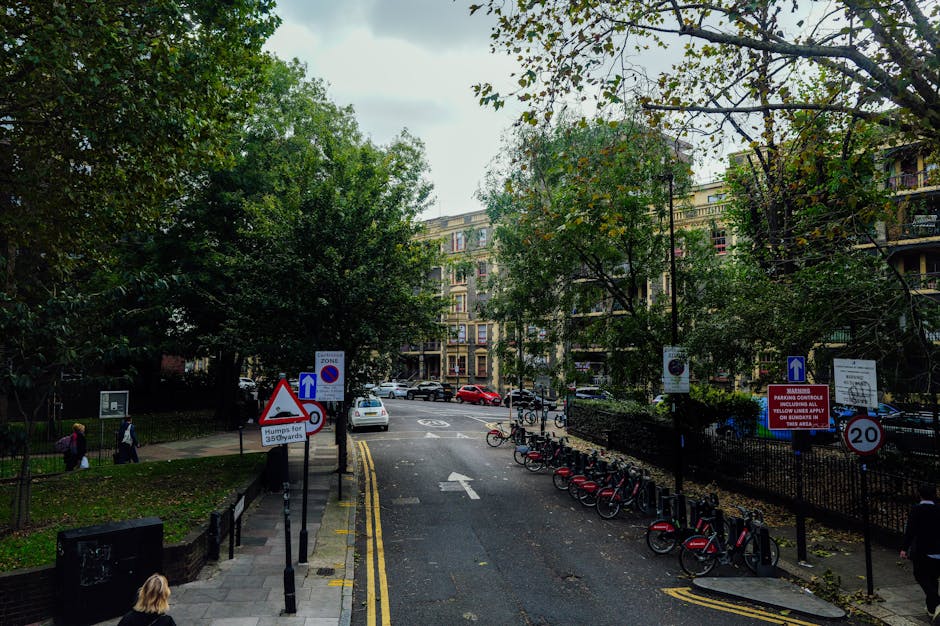
Common Mistakes to Avoid
The most common errors are usually the most avoidable. That is what makes them annoying.
- Assuming the front door space will be free. In CR2, parked cars can turn a good plan into a poor one very quickly.
- Not checking for restrictions or loading limits. If a stopping point looks obvious but turns out to be unsuitable, it can cost you time and patience.
- Forgetting that flats are different from houses. A top-floor flat with no lift needs a different access plan than a ground-floor property.
- Leaving packing too late. If items are still being boxed while the van waits outside, the schedule slides fast.
- Using the wrong vehicle size. Too large, and access becomes awkward. Too small, and you add extra trips. Both hurt efficiency.
- Ignoring weather. Wet pavements, slippery steps, and rain-soaked cardboard do not make for a pleasant day. They really don't.
One particularly common issue is underestimating the time required for loading when parking is not directly outside. People often plan the drive and forget the carry. That carry is where the minutes disappear.
Tools, Resources and Recommendations
You do not need a box full of specialist kit to manage CR2 access well, but a few practical tools help a lot.
- Measuring tape. Helpful for checking furniture dimensions against doorways, hallways, and stairwells.
- Basic floor plan or room sketch. Even a rough one helps the team understand the layout.
- Labels and marker pens. Keep rooms, priorities, and fragile items clearly identified.
- Protective covers and blankets. Good for furniture edges and tight doorways.
- Phone camera. Useful for photographing access points, parking signs, or tricky entry routes before moving day.
- Short checklist on paper. Handy when your phone battery is low and everyone is asking where the kettle went.
For customers weighing up different move sizes or support levels, the broader removal van service in South Croydon is often a good starting point. If the job is larger or more complex, removals in South Croydon may be the better fit. For smaller, more flexible jobs, man with a van in South Croydon can be the practical middle ground.
Law, Compliance, Standards, or Best Practice
This guide is practical rather than legal advice, but a few UK best-practice points are worth keeping in mind. Parking, loading, and stopping on public roads must always be done safely and in line with local restrictions. If a road has specific controls, access limitations, or loading rules, those need to be respected. The same goes for keeping pavements, dropped kerbs, and entrances usable for pedestrians and neighbours.
For removal work, good practice also means:
- not blocking emergency access
- avoiding unsafe lifts or rushed carrying
- keeping load paths clear where possible
- making sure the vehicle is suitable for the street and the job
- using properly secured packing to reduce movement inside the van
Health and safety is not just a policy document sitting on a shelf. It is the real-world habit of planning the route, checking the ground, and being sensible about weight, grip, and space. If you want to understand how a mover approaches that side of the job, the page on health and safety policy is a useful reference point, and insurance and safety is worth a look too.
For business customers or anyone handling personal data, documents, or valuables, it also helps to understand basic security and handling expectations. That is one reason some people review payment and security information alongside the moving plan, especially when they are booking in advance.
Options, Methods, or Comparison Table
Different access strategies suit different CR2 moves. There is no single perfect method, only the most sensible one for the property, the street, and the amount of stuff.
| Method | Best for | Advantages | Watch-outs |
|---|---|---|---|
| Curbside stop close to the entrance | Houses with easier access and lighter traffic | Fast loading, short carry, simple handover | May not be available every day or every hour |
| Side-street drop-off | Tight roads or busier streets | Can reduce congestion and improve safety | Longer carry distance |
| Timed access with helper or spotter | Flats, shared buildings, or controlled entrances | More organised, easier to coordinate | Needs good communication and timing |
| Smaller vehicle approach | Narrow roads or awkward turns | Often easier to place and manoeuvre | May require more loads if volume is high |
| Staged delivery or collection | Large homes, offices, or mixed contents | Reduces pressure on one single unloading point | Needs extra planning and clear labelling |
For a lot of CR2 removals, the best answer is a hybrid one: a smaller vehicle, a sensible stop point, and a well-labelled load order. Nothing fancy. Just solid planning.
Case Study or Real-World Example
Here is a simple example from a typical South Croydon-style move. A couple were moving from a first-floor flat to a house a short distance away. The flat was on a street with parked cars on both sides, and the new house had a narrower frontage than they expected. On paper, it looked like a routine move.
The issue was parking. At the old address, the obvious stop point sat too close to a bend. At the new address, the best unloading space was actually a little further along the road, where the van could sit safely without blocking turning traffic. The team planned a short walk on both ends rather than forcing a poor curbside position.
That decision made everything calmer. The route was slightly longer, but the move became safer and easier to control. Furniture was wrapped properly, the carry was steady, and nobody had to squeeze past mirrors or rush a sofa through a tight angle. The couple later said the best part was not the speed; it was the fact that the day never felt out of control.
That is the real lesson. Good parking and drop-off planning is not about chasing the closest space. It is about choosing the right space.
If you are managing a larger property or buying and moving into the area, it can also help to understand the local housing context through Croydon real estate investment tips or Croydon property acquisitions. Different property types bring different access headaches, and the move plan should match that reality.
Practical Checklist
Use this checklist a day or two before moving time. It keeps the job grounded.
- Confirm the exact address and entrance point for both properties
- Check whether the street is suitable for stopping, loading, or unloading
- Note any signs, restrictions, or timed access rules
- Measure large furniture against doors, halls, and stairwells
- Decide whether a smaller vehicle would be easier than a larger one
- Clear hallways, landings, and the path to the front door
- Label boxes by room and importance
- Set aside essentials you want first at the new place
- Arrange keys, codes, permits, or building access in advance
- Tell movers about any awkward corners, lifts, or steps
- Protect floors and vulnerable edges where needed
- Keep a contact phone charged and easy to reach
Quick takeaway: if you can answer "where will the van stop, how will items reach it, and what could block the route?" before the move starts, you are already ahead of the game.
Conclusion
CR2 parking and drop-off planning is one of those details that looks small until it saves the whole day. Once you think through the road, the vehicle, the carry distance, and the entrance points, a move in Croydon becomes much easier to manage. You do not need perfection. You need a plan that is safe, realistic, and clear enough for everyone involved.
Whether you are moving a flat, a house, or an office, the same principle holds: choose the best stop point, communicate well, and keep the route as simple as possible. That is what turns a potentially awkward move into a properly workable one. And to be fair, that is what most people want on moving day - not drama, just a steady job done right.
If your move includes packing support, special items, or short-notice timing, it may also help to explore packing and boxes in South Croydon or same-day removals. A bit of structure now can save a lot of wobbling later.
Get a free quote today and see how much you can save.